The Clover of Brewing Machines
Five years ago, the Clover Coffee Equipment company was hand-assembling high-tech, excellent automatic coffee-making machines for the super high-end market. At tens of thousands of dollars each, they were intended for sale to boutique coffee shops, like Trabant and others, who could sell wonderful, precision-made cups of coffee to people who can appreciate the quality interaction of specialty beans, brewing times and temperatures.
Clover’s “factory” was an ordinary-looking building in Seattle’s Fremont district (very close to today’s MakerHaus by the way) and the founders were people who had a passion for the intersection of (industrial) design and the precision coffee experience. Those of us who knew the company and its products thought it was a great idea, and eventually Starbucks agreed when it bought them out.
How would you build something like Clover today? Well, I just saw the perfect example on Kickstarter: the PycoBrew Zymatic beer brewing appliance. At a high level, the hardware reminds me of the Clover: pumps, temperature sensors, relays, heating. Otherwise, instead of coffee beans, it uses grain and malt.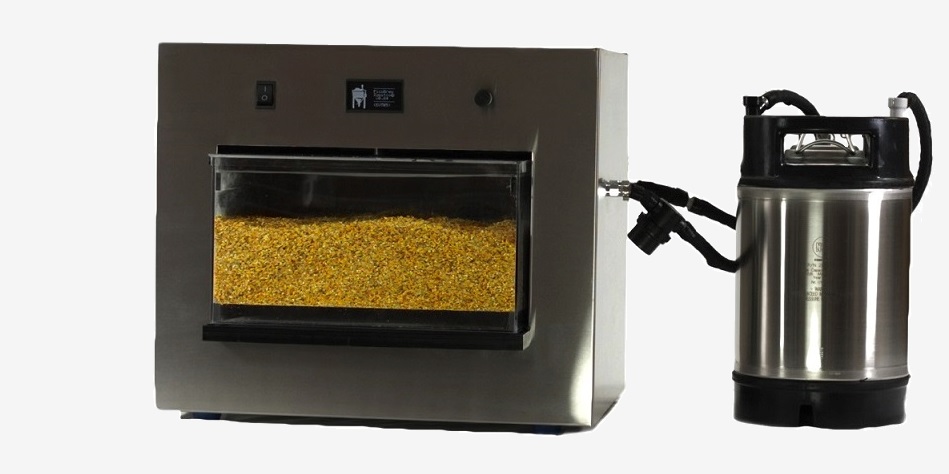
But the really exciting difference is the fantastic new business model that’s been enabled by Kickstarter. Whereas Clover had to be financed through (some deep-pocketed) angels and other traditional investors, PycoBrew can get its startup capital through its first customers. Through a pledge of about $1,500, the people interested in the product can help the new company financially right now, when it has no revenues.
Like the Clover founders, the people of PycoBrew seem very serious: their web site documents their progress through multiple generations of functional prototypes. To manufacture something that complicated, and then ship and support it around the country is a very big deal – the kind of business that in the past would have required (tens of?) millions of dollars up-front.
Think of a bread machine, only instead of bread you get beer. The basic idea is straightforward, and I personally know dozens, maybe hundreds of engineers who are entirely capable of building such a thing – or zillions of other similarly-interesting or useful products. But a great idea is useless without a profitable business to carry it out. Kickstarter and the wonderful set of internet-enabled ideas that go behind it, is lowering the costs and upfront hassles of actually starting and running the business side of ideas.
I can’t wait to see what additional new products we’ll see thanks to the new, really cool business innovation behind this.